The strategic leader had done something genuinely hard — identified a significant opportunity, built a compelling case for it, and gotten the team inspired around a bold new direction. The mission was clear. The ambition was real. And the energy was there. Teams got to work — making reasonable choices, setting priorities, moving forward. But often as teams made decisions, leadership pushed back. The choices weren't aligned with the leadership's vision or expectations. Over time, teams stopped deciding. They waited. They asked. Momentum slowed and frustration rose on both sides — leaders blamed teams executing, and teams blamed leaders. Neither was wrong. Both were missing something. The real problem was the territory between the mission and the teams current location had never been charted.
This plays out anywhere a compelling vision outpaces the operational clarity needed to pursue it — from enterprise strategy teams to church leadership whose ministry teams are passionate and capable but unclear on how their specific work connects.
We started by working with the leadership team to break the opportunity into its real dimensions — not just "the goal" but the specific choices embedded within it. Some teams needed to know which customer segments were the priority. Others needed to know which product categories that implied. Others needed to know which geographic markets to focus on first. These weren't competing questions — they were the same opportunity seen through different lenses. We built a shared view that connected all of those lenses: if we prioritize these segments first, here is what that means for product focus, for market selection, and for the operational decisions that follow. Then we sequenced it — laying out a clear annual priority order so every team had a concrete answer to "what does this mean for us, right now?"
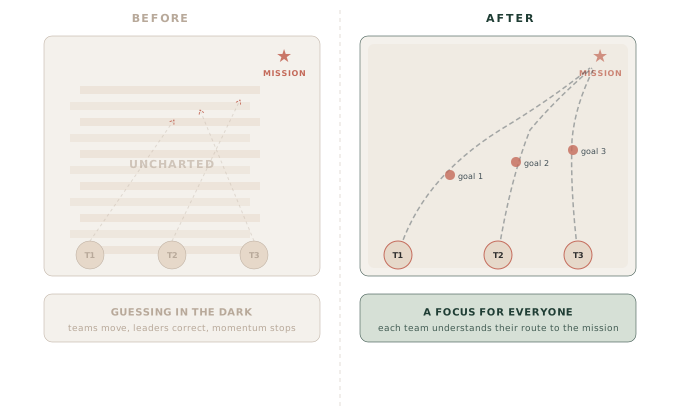
The questions stopped — not because they were suppressed, but because they were answered. Teams stopped waiting for permission and started making decisions with confidence. Leaders stopped needing to correct and were able to start looking forward again. Each team left with a goal that was theirs — specific enough to act on, and connected clearly enough to the mission that they could explain why it mattered. That combination is rarer than it should be, and it changes how people work.